
The Ghulatis On The Go embarked on a morning journey from Gurugram to Jaipur, aiming to experience the newly developed Delhi-Mumbai Expressway during the monsoon season. Starting from Sector 64 in Gurugram at approximately 10:15 AM, the drive promised scenic views and an opportunity to assess the highway's quality in rainy conditions. The initial stretch of the journey, however, presented an immediate challenge as recent evening rains had left parts of Gurugram's roads significantly waterlogged, creating what the driver humorously referred to as a "lake drive." This early encounter with standing water underscored the importance of robust drainage systems on urban roads, especially during India's monsoon months.
Transitioning from the waterlogged city streets, the family soon merged onto NH 248A, a six-lane highway described as being in "top condition." This highway served as the feeder road to the Delhi-Mumbai Expressway, a crucial link in India's expanding national highway network. Signage along NH 248A indicated that the Delhi-Mumbai Expressway was 7 kilometers ahead, with Jaipur a further 262 kilometers. The weather remained overcast, with a thick cloud cover creating a pleasant atmosphere for driving, a key reason for undertaking this monsoon road trip. The anticipation of rain added to the excitement, promising a true test of the highway's resilience and the driving experience.
Navigating the Delhi-Mumbai Expressway
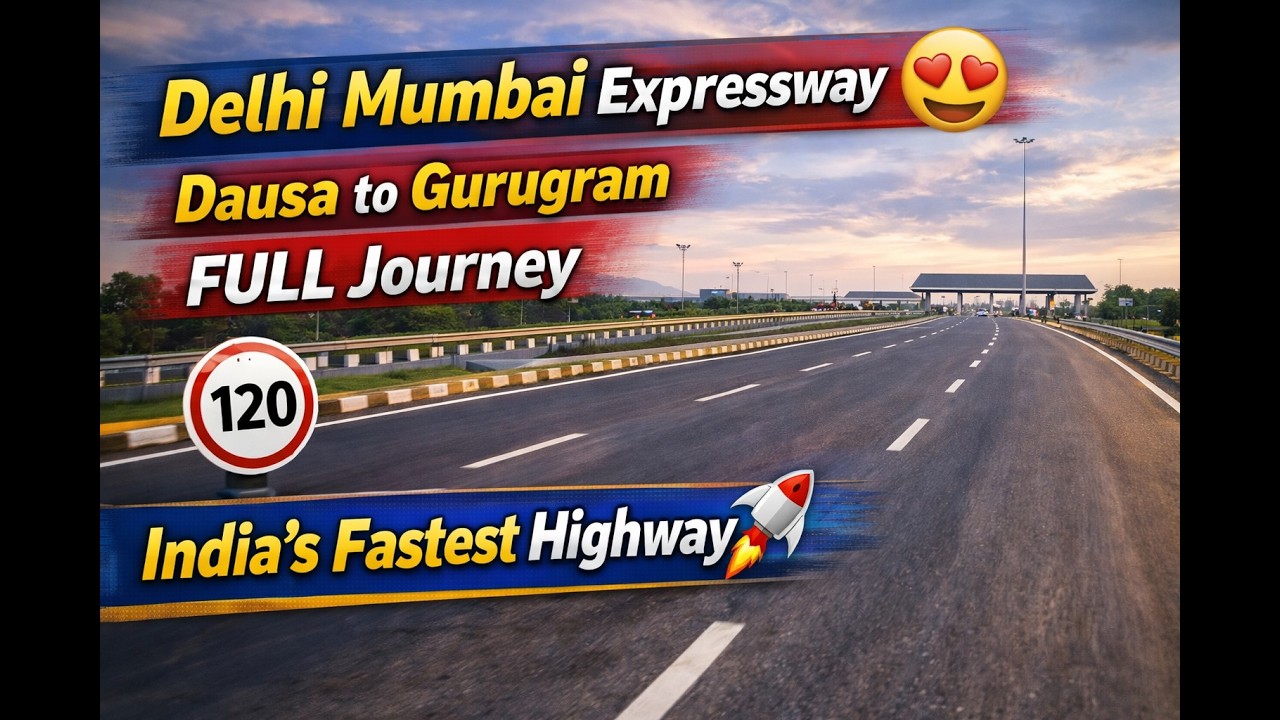
The entry onto the Delhi-Mumbai Expressway was described as a "grand" experience, marking a significant upgrade in road infrastructure. This section of the expressway featured four lanes in each direction, effectively an eight-lane highway, designed for high-speed travel. Initial speed limits were observed at 80 KMPH, though the driver noted that the expressway was built for higher speeds, with signs later confirming a 120 KMPH limit for cars. The expressway itself was remarkably clear of traffic, offering a smooth and uninterrupted drive. The journey highlighted several key features of modern highway construction, including well-maintained lanes, clear signage, and advanced tolling systems.
One of the notable stops along the route was the Ghamru Toll Plaza. While the toll charges were Rs. 130, the Ghulatis utilized an annual pass, allowing for seamless passage. The plaza itself was described as aesthetically pleasing, with an artistic design and numerous outlets, though traffic was minimal. After crossing this toll, the journey continued towards the main Delhi-Mumbai Expressway, with further signs indicating Mumbai was 1227 kilometers away and Vadodara 860 kilometers. The excitement of reaching this major expressway was palpable, as it represented a significant milestone in their journey.
Rest Stops and Roadside Amenities
The expressway was designed with several rest and service areas, crucial for long-distance travel. The first rest plaza sign appeared 5 kilometers ahead, offering facilities such as restrooms, fuel, and dining options. However, upon inspection, this particular rest plaza did not appear to be operational, prompting the family to continue their search for a suitable breakfast spot. This highlighted a potential challenge on new highways where amenities might still be under development or not fully functional. The driver decided to bypass the non-operational rest stop, opting to find a more established facility further along the route.
Eventually, a functional rest stop was located, featuring popular fast-food chains like Burger King and Subway, along with a petrol pump. The family chose the Burger King drive-thru for a quick breakfast, aiming to minimize delays. Despite the convenience of a drive-thru, the order took 15 minutes to prepare, leading to a slight delay. This stop provided a practical insight into the availability and efficiency of services on the expressway. After collecting their packed breakfast, the journey resumed, with the family enjoying their meal on the go, a common practice during road trips.
Monsoon Rains and Scenic Views
As the journey progressed, the monsoon rains began in earnest, transforming the landscape and adding a dramatic element to the drive. The heavy downpour necessitated the use of windshield wipers, creating a dynamic visual experience from inside the car. Despite the reduced visibility, the driver maintained a cautious speed of 80 KMPH, down from the expressway's 120 KMPH limit, prioritizing safety on the wet roads. The rain, combined with the cloudy skies, created stunning visuals, with low-hanging clouds making the surrounding hills appear closer and more immersive. This section of the drive truly captured the essence of a monsoon road trip, with lush greenery and dramatic skies enhancing the natural beauty of the route.
The expressway continued to offer impressive views, with rolling hills and vibrant bougainvillea lining the route. The cloud cover remained thick, creating a picturesque, almost three-dimensional effect with the landscape. The driver expressed immense satisfaction with the weather and the scenic beauty, noting that the monsoon conditions made the journey particularly enjoyable. The road quality remained excellent, even under heavy rain, underscoring the robust construction of the expressway. This combination of natural beauty and superior infrastructure made for a memorable driving experience.
Exiting the Expressway and Arrival in Jaipur
Approaching Jaipur, the journey involved transitioning from the Delhi-Mumbai Expressway to the Jaipur-Bandikui Expressway (NH 4C), which serves as an extension of the main expressway. This new expressway also maintained a speed limit of 120 KMPH, indicating consistent high-quality infrastructure. The exit for Bandikui was clearly marked, and after passing it, the route continued directly towards Jaipur. The final stretch of the journey involved navigating the Jaipur Ring Road, a southern corridor that encircles the city. This ring road provided a seamless entry into Jaipur, bypassing city traffic and leading directly to the final destination.
The entire journey from Gurugram to Jaipur, including a 15-minute breakfast stop, took approximately 2 hours and 45 minutes. This efficient travel time, especially during the monsoon season, highlighted the benefits of the new expressway infrastructure. The Ghulatis On The Go successfully completed their monsoon drive, enjoying both the thrill of driving on a world-class highway and the stunning natural beauty enhanced by the rains. The experience offered valuable insights into road conditions, amenities, and travel times, making it a practical guide for future travelers.
Practical Takeaways for Travelers
- Road Conditions: Be prepared for waterlogging on city roads leading to expressways during monsoon season.
- Expressway Quality: The Delhi-Mumbai Expressway (NH 248A and NH 4C) offers excellent road quality, even in heavy rain, with clear markings and signage.
- Speed Limits: While the expressway allows for speeds up to 120 KMPH, it is advisable to reduce speed to 80 KMPH or lower during heavy rainfall for safety.
- Toll Plazas: Annual passes can significantly streamline passage through toll plazas like Ghamru. Toll charges for this route were Rs. 130 for the initial stretch and Rs. 60 for the final exit.
- Rest Stops: While rest and service areas are planned, not all may be fully operational on newer sections of the highway. Plan for alternative stops or pack essentials.
- Travel Time: The new expressways drastically cut down travel time, making a Gurugram to Jaipur trip feasible in under 3 hours, even with a brief stop.
- Scenic Beauty: Monsoon drives offer unique and beautiful landscapes, with dramatic cloud formations and lush greenery, enhancing the overall travel experience.
Watch the Original Journey
This article is connected to the original Ghulatis On The Go video below. Watch it for the complete visual experience and conversations from the road.
Continue exploring
Related guides, articles, and videos
These recommendations are matched to this Journey Article using its locations, routes, vehicles, categories, and practical travel topics.
Recommended travel guide
India Highway & Expressway Guides
Helpful notes on expressways, national highways, road conditions, rest breaks, toll planning, and safe long-distance driving.
Open this topic guideRelated reading