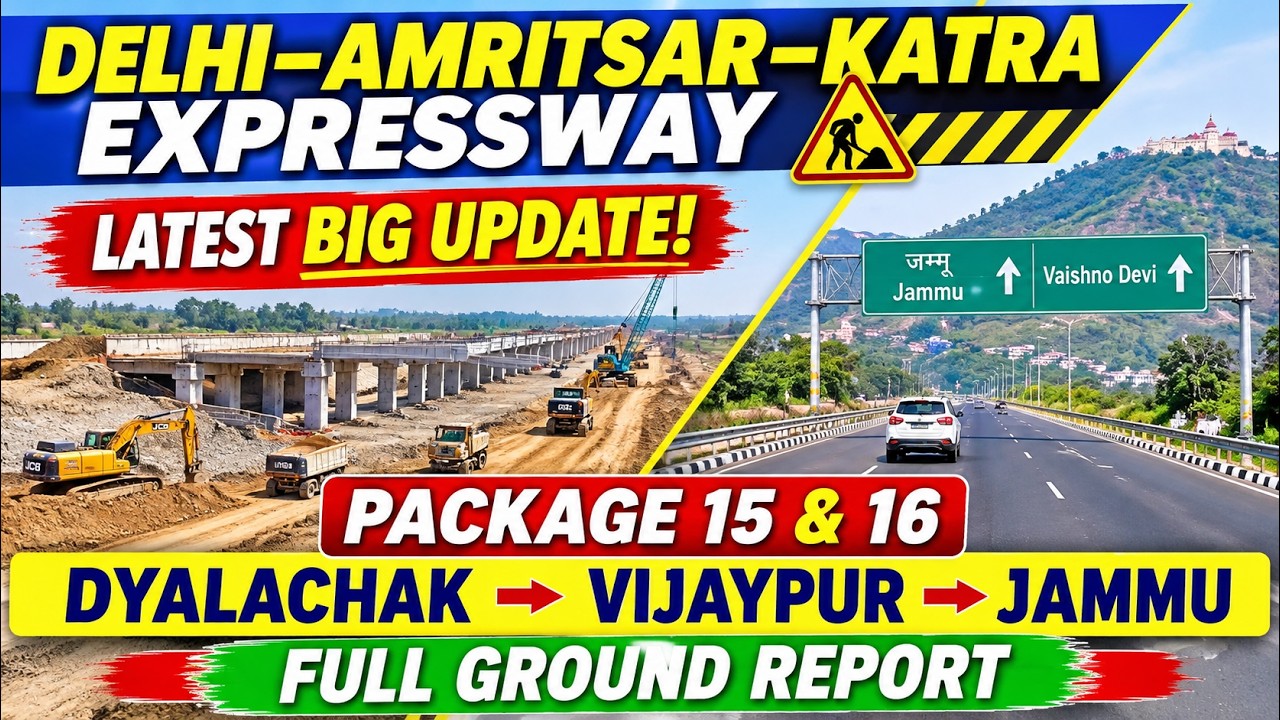

The Delhi–Amritsar–Katra Expressway, a significant infrastructure project, offers a smooth and efficient route for travelers. In November 2026, we embarked on a comprehensive journey along Phase One, specifically covering Packages 1 to 7, from Malerkotla to Delhi. This drive provided an opportunity to assess the current road conditions, available amenities, and overall travel experience on this newly commissioned stretch of the expressway.
Our objective was to offer a detailed ground report, highlighting aspects crucial for road trippers, including the quality of the expressway, the presence of rest plazas, fuel stations, and food options. The journey began with an entry onto the expressway from the Malerkotla side, revealing a well-maintained, four-lane highway designed for high-speed travel.
Expressway Overview and Road Conditions
The Delhi–Amritsar–Katra Expressway, designated as NE-5, is a four-lane highway with a speed limit of 120 km/h for cars and 80 km/h for trucks. Motorcycles, tractors, and auto-rickshaws are not permitted on this section. The road surface is notably smooth, providing a comfortable driving experience with clear markings and proper signage throughout. This initial stretch from Malerkotla, which was not officially open during previous visits, is now fully operational and facilitates seamless travel.
As we progressed, the expressway maintained its high quality, characterized by wide lanes and minimal traffic in many sections. This allowed for consistent speeds, with our vehicle maintaining a cruise control setting of 120 km/h for extended periods. The absence of significant traffic congestion contributed to a relaxed and efficient journey, a stark contrast to older, more crowded highways.
Amenities and Services Along the Route
One of the critical aspects of any long-distance expressway is the availability of traveler amenities. Our journey revealed a developing infrastructure for services. Approximately 25 kilometers into the drive, we encountered the first fuel station, a large Jio-BP outlet, which also offered CNG. This is a positive development for drivers, especially those with CNG vehicles, ensuring fuel availability along the route.
Adjacent to the fuel station, a temporary food plaza named 'Pandtan Da Dhaba' was operational, offering a range of food options. While the access road to this plaza was unpaved, the facility itself was clean, including well-maintained restrooms for both men and women. This stop provided a much-needed break and confirmed the presence of essential services, albeit in an evolving state of development.
Navigating Exits and Traffic Dynamics
The expressway features clearly marked exits for various cities and towns, including Patiala, Sangrur, Jind, Rohtak, Sonipat, Ambala, Chandigarh, and Narnaul. These exits are strategically placed, with clear signage indicating distances to major destinations. Toll plazas are present at entry and exit points, with Fastag facilities for automated payments, ensuring a smooth flow of traffic.
While the initial sections of the expressway experienced light traffic, we observed an increase in vehicle movement, particularly trucks and taxis, as we approached the Delhi side. This included instances where two trucks drove parallel, necessitating careful maneuvering into the side lane to overtake. This highlights a potential challenge as traffic volumes grow, emphasizing the need for vigilant driving despite the excellent road quality.
Journey Milestones and Time Efficiency
Our journey from Malerkotla to the end of the expressway near Delhi covered approximately 220 kilometers. We commenced our drive at 11:00 AM and reached the final toll barrier by 1:10 PM, including a 10-minute stop at the food plaza. This translates to an efficient travel time of just over two hours for the entire stretch, demonstrating the significant time savings offered by the expressway.
Throughout the drive, digital signboards provided real-time distance updates to various cities, including Delhi. For instance, at one point, Delhi was indicated as 190 kilometers away, and later, 92 kilometers, reflecting the progress of our journey. The consistent speed limits and smooth road surface contributed to maintaining a steady pace, making the journey predictable and enjoyable.
Final Stretch Towards Delhi
As the expressway neared its end, it seamlessly integrated with the Western Peripheral Expressway, providing onward connectivity towards Delhi. The final sections maintained the same high standards of road quality, with proper lighting and safety barriers. The presence of ongoing construction for additional amenities suggests that the expressway facilities will continue to expand and improve over time.
The overall experience on the Delhi–Amritsar–Katra Expressway from Malerkotla to Delhi was highly positive. The smooth ride, clear signage, and emerging service infrastructure make it a viable and attractive option for travelers. While some amenities are still under development, the core road quality and efficiency are commendable, promising a significantly improved travel experience in the region.
Practical Takeaways for Travelers
- Road Quality: The expressway offers an exceptionally smooth and comfortable drive with no potholes or sudden jerks.
- Speed Limits: Adhere to the specified speed limits of 120 km/h for cars and 80 km/h for trucks.
- Vehicle Restrictions: Be aware that motorcycles, tractors, and auto-rickshaws are not allowed on this expressway.
- Fuel and CNG: A large Jio-BP fuel station with CNG is available approximately 25 kilometers into the journey from Malerkotla.
- Food Stops: The 'Pandtan Da Dhaba' food plaza provides food and clean restrooms, serving as a convenient stop.
- Traffic: While generally light, expect increasing truck and taxi traffic closer to Delhi, requiring careful overtaking.
- Time Savings: The expressway significantly reduces travel time, with our journey covering over 200 kilometers in just over two hours.
- Tolls: Toll plazas are present at entry and exit points, with Fastag ensuring quick passage.
- Future Amenities: More food and service outlets are under construction and are expected to become operational soon.
Watch the Original Journey
This article is connected to the original Ghulatis On The Go video below. Watch it for the complete visual experience and conversations from the road.
Key moments from the video
Continue exploring
Related guides, articles, and videos
These recommendations are matched to this Journey Article using its locations, routes, vehicles, categories, and practical travel topics.
Recommended travel guide
India Highway & Expressway Guides
Helpful notes on expressways, national highways, road conditions, rest breaks, toll planning, and safe long-distance driving.
Open this topic guideRelated reading